Six royal cities. Twelve extraordinary days.
The soul of India’s Land of Kings.
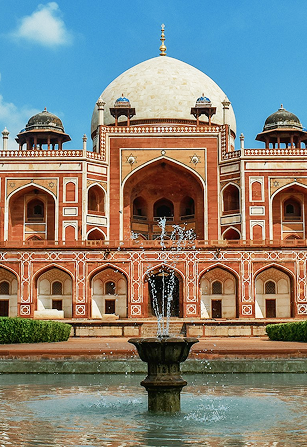
There is a reason Rajasthan is called the Land of Kings. For centuries, warrior dynasties built palaces on clifftops, dug moats around desert citadels, and commissioned artisans to adorn every surface with gold. This 12-day journey traces that legacy from the Mughal splendour of Delhi and Agra, through the tiger country of Ranthambore, into the pink avenues of Jaipur, the blue labyrinth of Jodhpur, and finally to Udaipur — the Venice of the East, where the City Palace shimmers in the still waters of Lake Pichola.
This is not a journey of sights; it is a journey of revelations. You will walk the ramparts of Mehrangarh Fort as the city below turns cobalt in the fading light. You will step into the Taj Mahal at dawn before a single crowd arrives. You will ride in a private jeep through Ranthambore as the jungle stirs and the tiger moves. Your guides are scholars of history and nature. Your hotels are among the finest addresses in the country. Every experience has been chosen with care — and nothing has been left to chance.
Everything is private, everything is tailored, and there is always a table laid somewhere beautiful. Let Rajasthan do the rest.
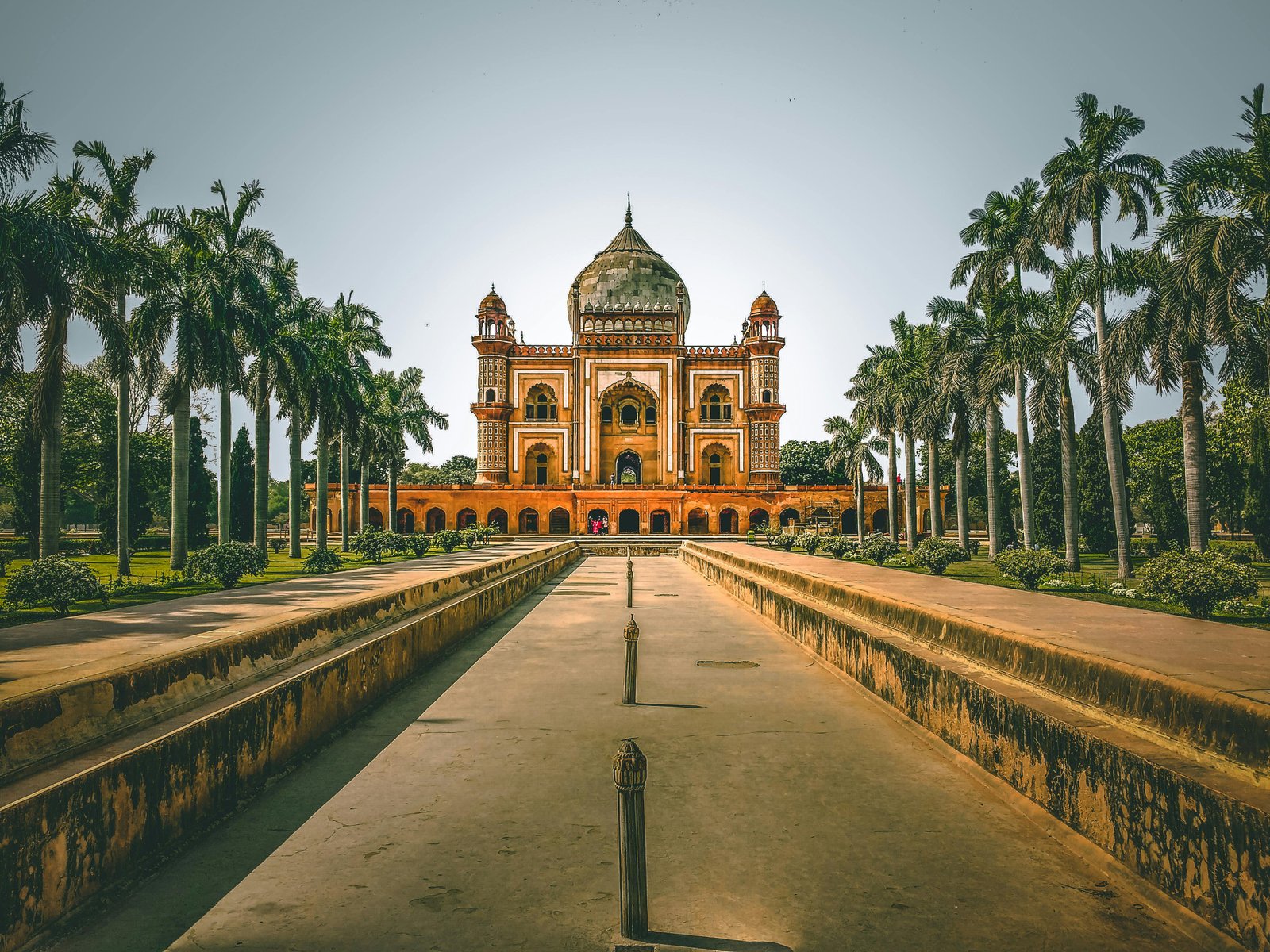
Delhi is a city where history and modernity blend with extraordinary ease. Old Delhi’s narrow streets and teeming bazaars are a testament to Mughal grandeur — ancient forts and mosques standing side by side with the urban pulse of a 21-million-strong capital.
Upon arrival at Indira Gandhi International Airport, you are met by your private driver and transferred to your hotel for check-in and relaxation. The evening is yours to explore the neighbourhood, settle into the rhythm of India, or dine at your hotel as the city hums around you.
Dawn breaks over Old Delhi in a whirl of sounds and colour. Your morning begins in a cycle rickshaw threading through Chandni Chowk — the silver bazaar, the cardamom merchants, the silver-smiths — a living museum that has traded continuously since 1650. You observe daily life from the Jama Masjid steps, watching a city that still conducts its business in the old way.
In the afternoon, your private driver takes you along the Yamuna Expressway towards Agra, crossing the fertile plains of Uttar Pradesh as the light softens. Upon arrival, you check into your hotel as the Mughal city settles into evening.
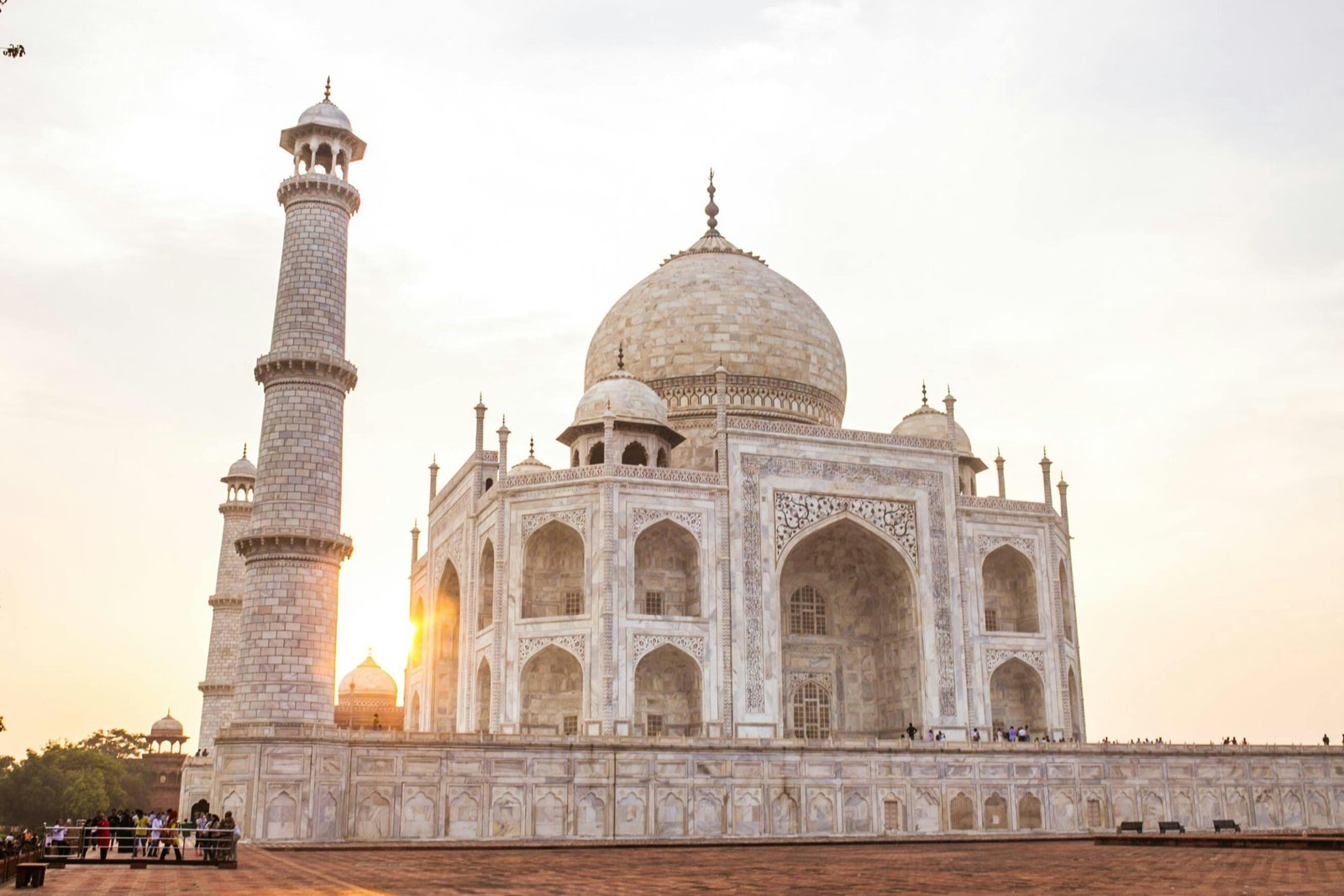
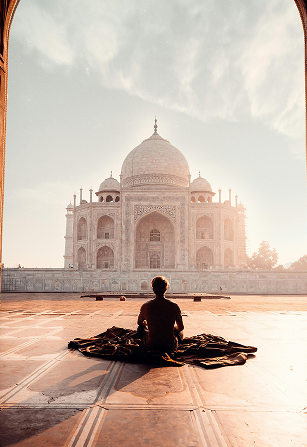
You enter the Taj Mahal compound as the first rays of sunlight break the horizon and the white marble begins its slow transformation from pale rose to blinding white. In the quiet of early morning, with few others present, it is possible to understand why Shah Jahan built this monument — not merely as a tomb, but as a declaration that beauty itself is a form of devotion.
After the Taj, a private visit to a local marble inlay workshop, where artisans use the same techniques perfected by the craftsmen of Shah Jahan’s court. In the afternoon, the Red Fort of Agra — vast courtyards and palatial corridors that once echoed with the steps of emperors. The evening belongs to the Mohabbat-e-Taj show, a poetic ballet of light and sound that brings the love story of Shah Jahan and Mumtaz vividly to life.
A scenic private drive takes you from Agra through rolling Rajasthani countryside — traditional villages, forested hillsides, and the wide plains that feed this part of the subcontinent. By afternoon you arrive at Ranthambore National Park, once a royal hunting ground for the Maharajas of Jaipur, and now one of India’s most celebrated wildlife reserves.
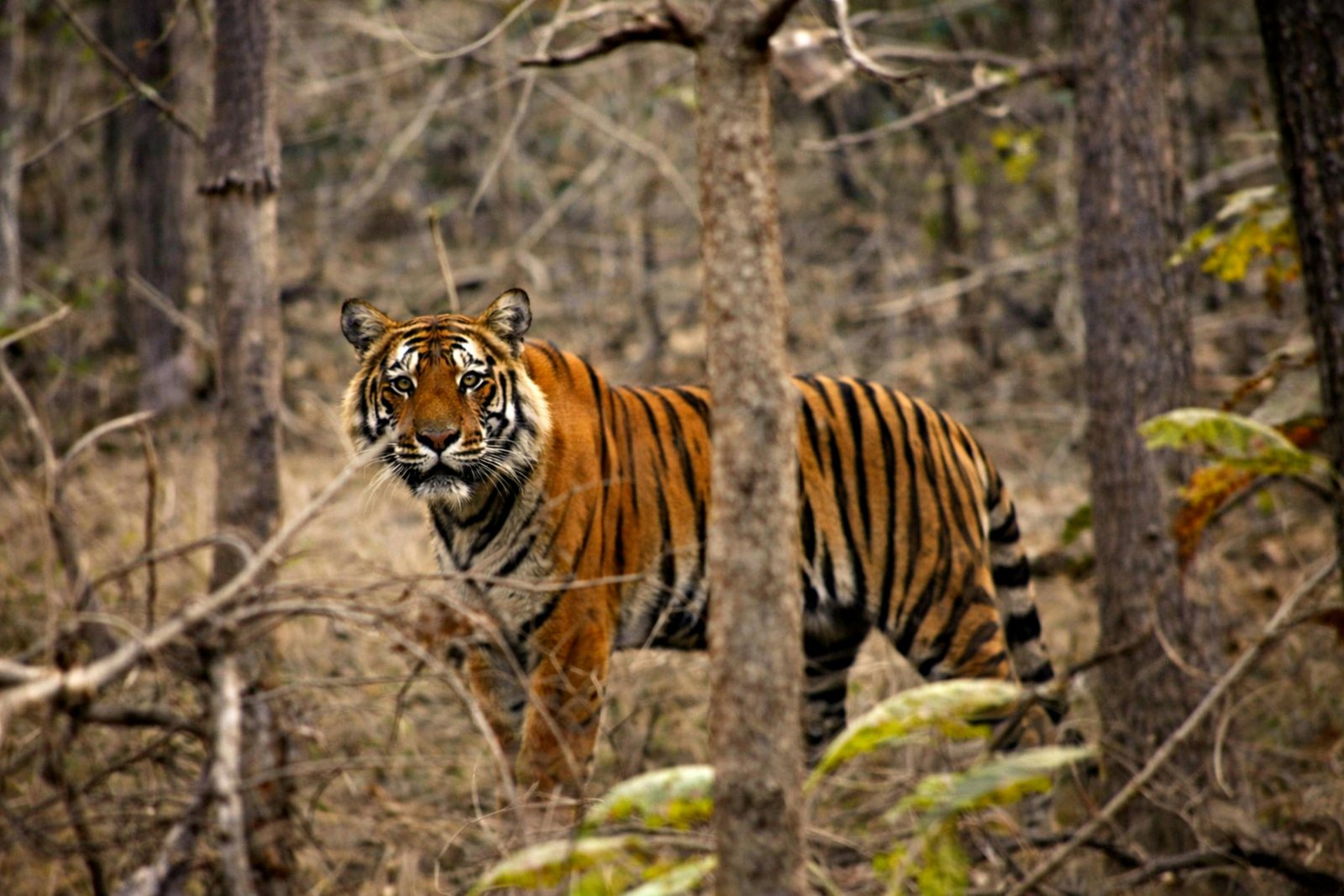
Check into your lodge and allow the sounds of the forest to replace the sounds of the city. Ranthambore is where the 10th-century fort crumbles into the treeline, where sambar deer gather at ancient lakes, and where the Bengal tiger moves like a shadow through the sal forest.
You are up before dawn for the first jeep safari, setting out in the cool morning air as the park comes alive. Your naturalist guide reads the tracks and the alarm calls — the langur monkeys above, the deer below, and perhaps the deep cough of a tiger in the sal. Ranthambore has over 70 tigers and 10 zones of extraordinary beauty: ancient Rajput ruins rising from the forest floor, still lakes framed by battlements.
The afternoon is yours to rest in the lodge gardens, take a swim, or write in the shade of a neem tree. At dusk, your second jeep safari enters the park as the light turns amber and animal activity peaks. No two safaris are ever the same in Ranthambore — and that is precisely why two are essential.
After breakfast, your private vehicle takes you northward to Jaipur — the capital of Rajasthan and a city that harmoniously blends royal history with vibrant, modern culture. Maharaja Jai Singh II designed Jaipur in 1727 according to ancient Vedic city-planning principles: a perfect grid of wide avenues, surrounded by walls and gates, and painted in a shade of terracotta pink that has given the city its name — and, by municipal decree, must remain so.
This evening, you are taken to a Bhavai dance performance over dinner — Rajasthan’s own folk tradition of extraordinary grace and balance. Afterward, a night drive past the illuminated Hawa Mahal and the City Palace gates, the city glowing gold against the dark.
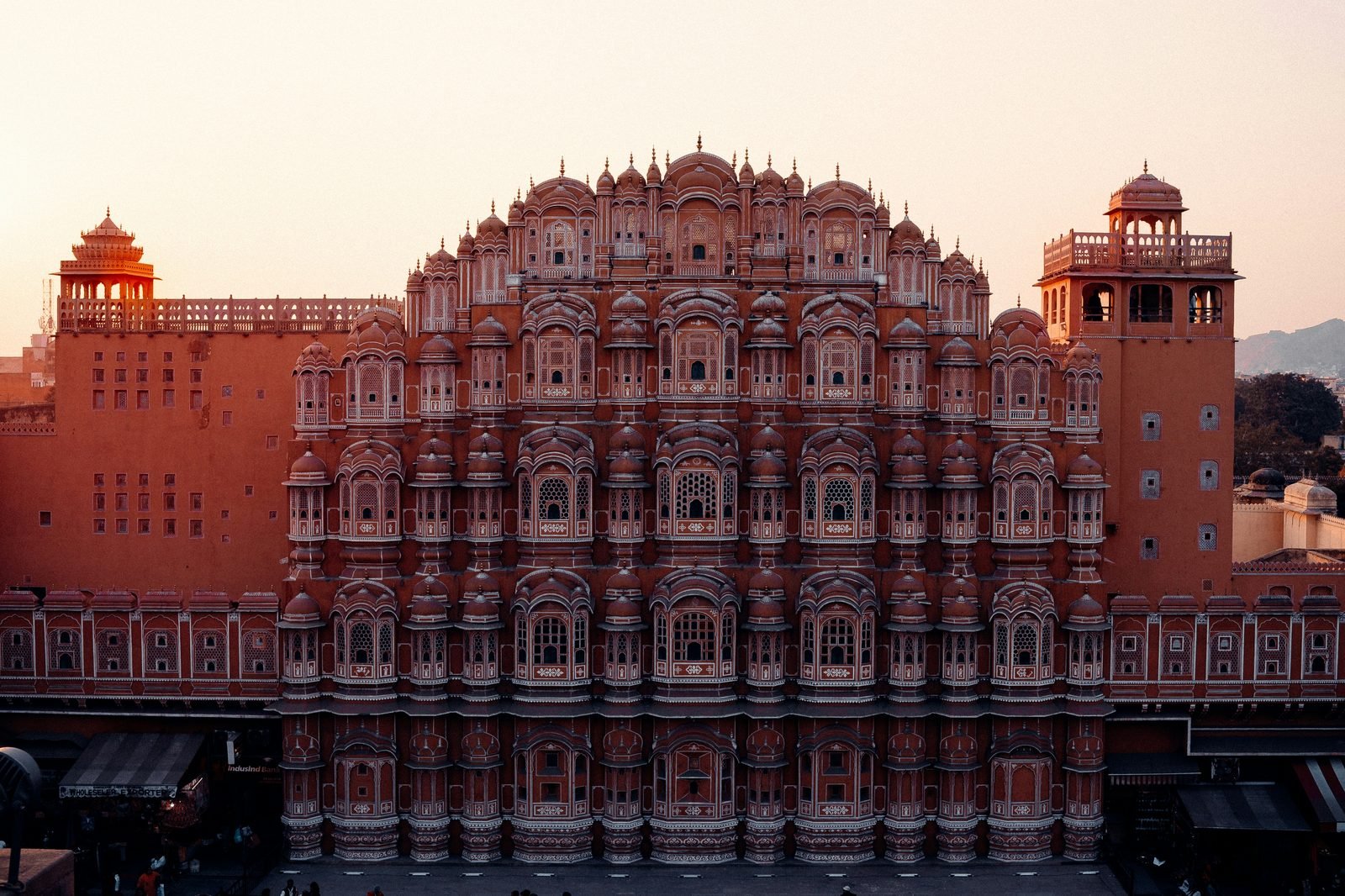
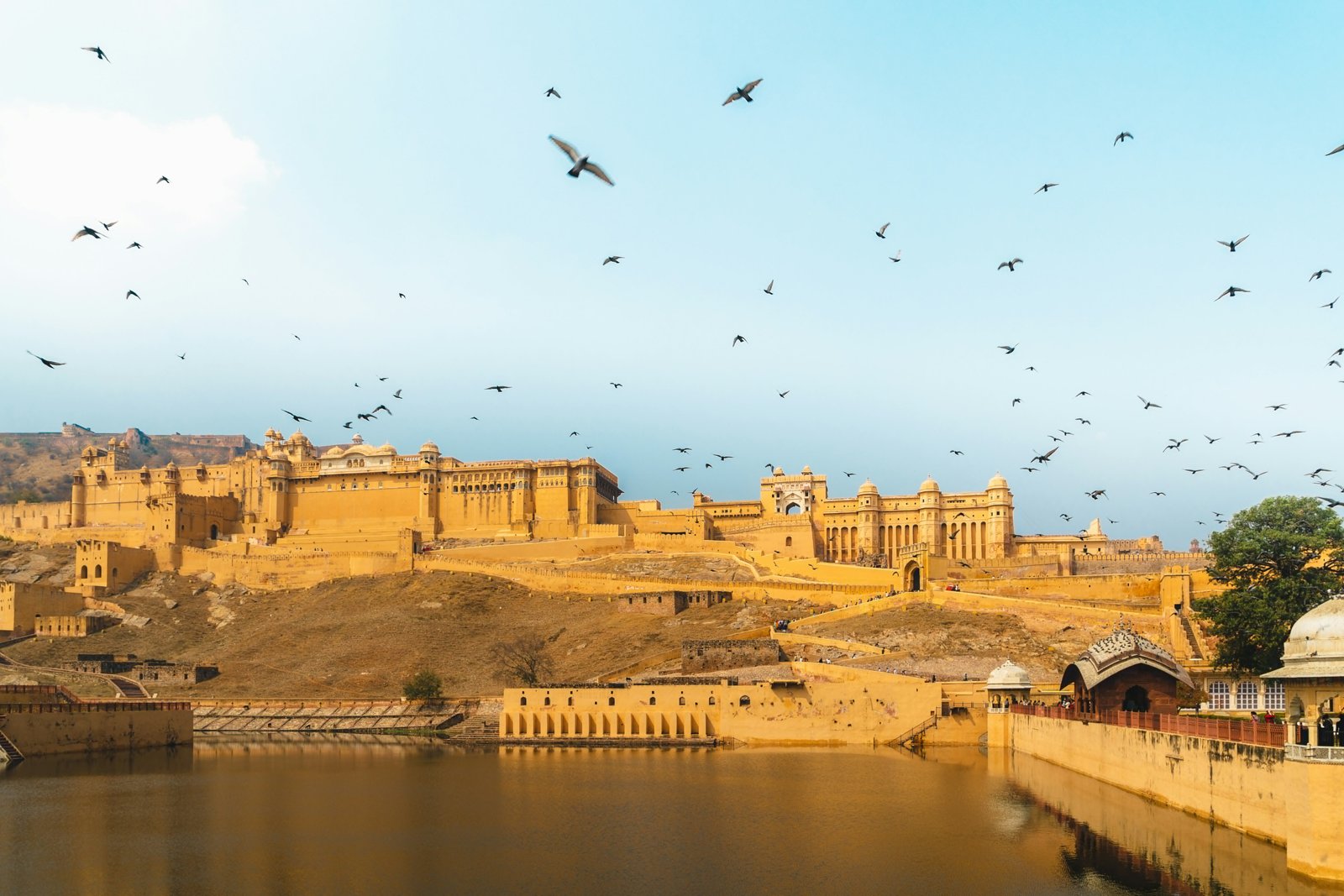
Your morning begins at the Hawa Mahal — the Palace of Winds — a five-storey screen of 953 honeycombed windows from which the royal ladies once watched the street life below. Then upward to Amber Fort: six kilometres north on a hilltop, commanding the valley. You enter with access to the royal zenana quarters not open to general visitors — private apartments frescoed with hunting scenes and inlaid with mirror-work that catches every slant of light.
The afternoon takes you to the City Palace — still inhabited by the royal family — and Jantar Mantar, the extraordinary 18th-century astronomical observatory where stone instruments the height of buildings were built to measure the stars with perfect accuracy. Late afternoon: local workshops where artisans create block-printed textiles and hand-knotted carpets using techniques handed down over centuries.
The drive from Jaipur westward takes you through the heartland of Rajasthan — ochre plains, scattered villages with painted facades, and the slow widening of the Thar Desert on the horizon. Jodhpur announces itself from a long way off: Mehrangarh Fort rises 400 feet above the city, its battlements visible for miles.
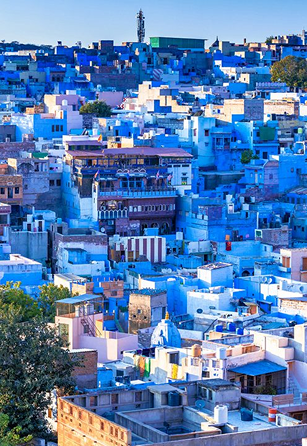
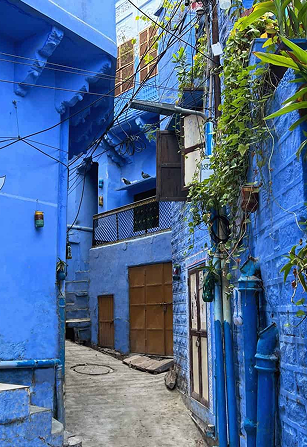
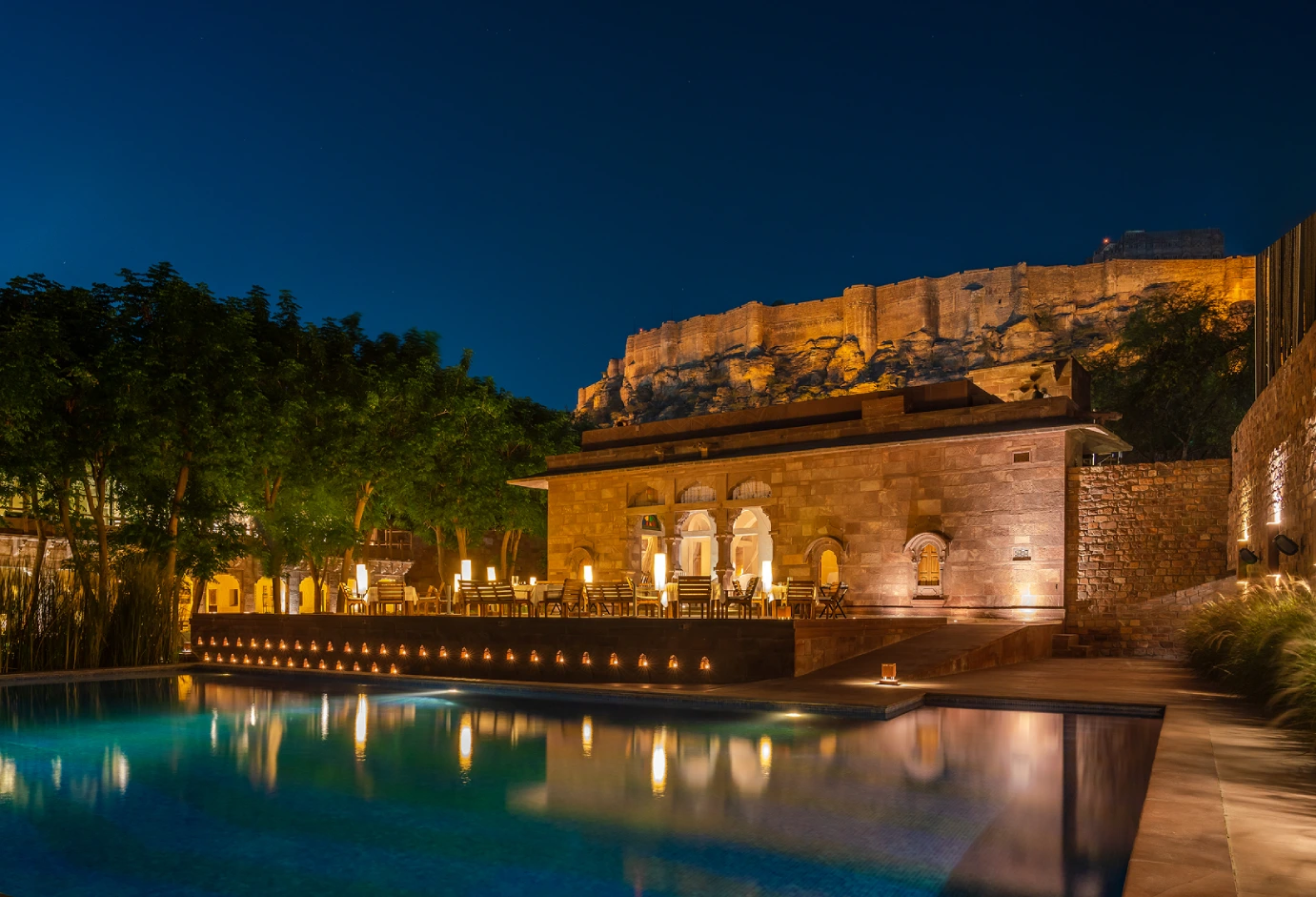
Your afternoon takes you to the fort itself — one of the finest in India, its walls still bearing the cannonball scars of battle. The view from the ramparts is overwhelming: the old city spreads below in every shade of Brahmin blue, a sea of indigo and cobalt that gave Jodhpur its second name. Later, a cycle rickshaw through the old city — the clock tower market, the spice traders, the silver jewellers — and the serene white cenotaphs of Jaswant Thada in the evening quiet.
A guided heritage walk through the old city this morning with a local historian who has spent decades tracing the lanes and families of Jodhpur. You visit the Clock Tower market — silver jewellery, spices, embroidered textiles and the extraordinary Rajasthani leatherwork — and discover the artisanal quarters that continue to supply workshops across Rajasthan with raw materials and finished goods.
The afternoon belongs to you. Return to the hotel rooftop for a view over the blue city, or continue exploring the neighbourhood around the fort walls at your own pace. Jodhpur rewards the unhurried traveller — this is a city that reveals itself slowly, in details.
The drive south from Jodhpur through the Aravalli hills is one of the most beautiful in Rajasthan — granite outcrops, terraced fields, and occasional peacocks crossing the road. As you descend into Udaipur’s valley, the lake appears below, ringed by white-marble palaces and the soft hills of the Mewar kingdom.
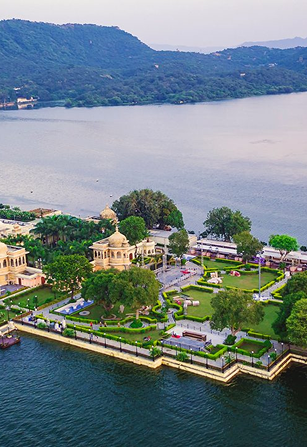
Your afternoon begins on the water. A private boat crosses Lake Pichola with the City Palace mirrored in the still surface and the Aravalli hills behind it — the most photographed view in Rajasthan, and yet somehow even more beautiful in person. You visit the City Palace itself — 11 palaces built by successive Mewar maharanas over 400 years — and end the afternoon in a local atelier where the tradition of Rajasthani miniature painting is preserved by a master artist and his students.
Udaipur saved its most graceful landmark for this morning: Saheliyon-ki-Bari — the Garden of the Maidens — a formal Mughal garden of fountains, lotus pools, and marble pavilions built for the royal ladies of the Mewar court. Rarely crowded, often silent, and extraordinarily beautiful in the early morning light.
After the gardens, a visit to the Bharatiya Lok Kala Museum, Udaipur’s renowned Puppet Museum, where the craft of Kathputli string puppetry — one of Rajasthan’s oldest narrative traditions — is kept vividly alive. A private demonstration with one of the city’s master puppeteers is arranged exclusively for your group.
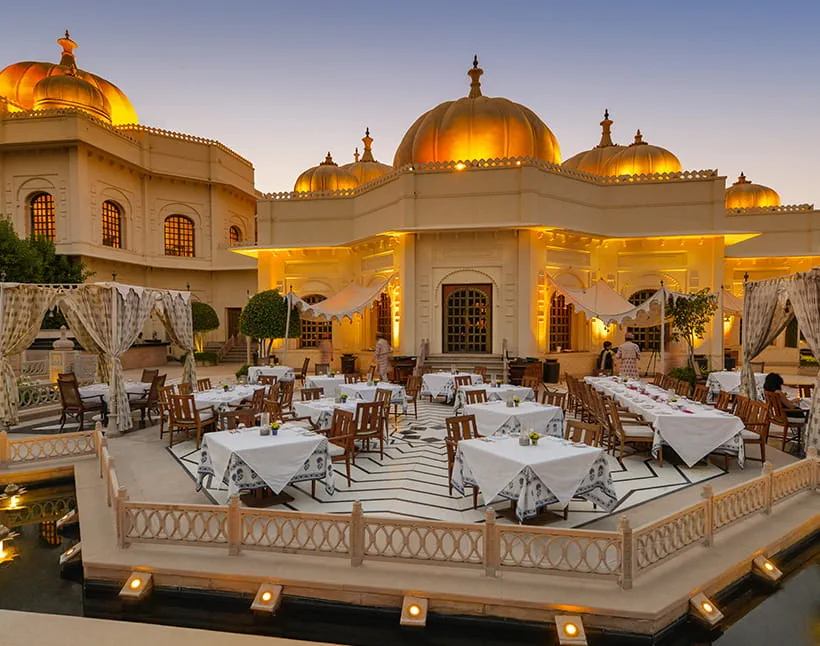
The evening is yours. A farewell dinner at a rooftop venue overlooking Lake Pichola, with the illuminated City Palace reflected in the water below, and the gentle sound of the evening temple bells drifting across the city.
After a peaceful morning and a final Udaipur breakfast, your private transfer takes you to the airport for the short flight back to Delhi. There is time this afternoon for one last experience: Gurudwara Bangla Sahib, the serene golden Sikh temple in the heart of New Delhi. Here, in the spirit of seva — selfless service — thousands of volunteers serve free meals to all who enter, regardless of faith or background. It is one of the most quietly moving experiences in India.
A private transfer to the international airport for your onward journey. If twelve days have not been enough — and they rarely are — speak to us about extending into the Himalayan foothills or south towards Kerala. India, as you will have discovered, does not end.
Twelve days is enough to fall in love with Rajasthan. It is not enough to understand it. That takes a lifetime — and that is precisely the point.
Eleven nights · Six cities · Heritage addresses with character and soul
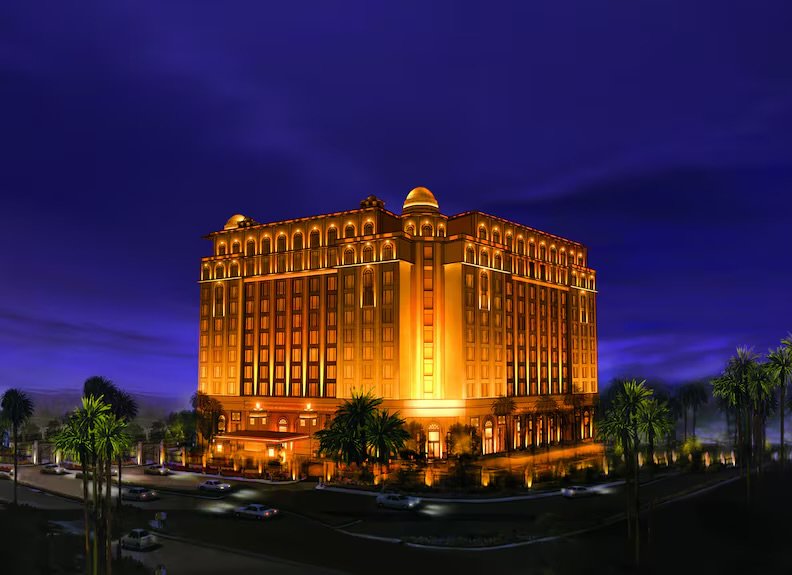
A 1931 colonial landmark on Janpath, steps from Connaught Place. One of Delhi’s most storied addresses — 233 rooms filled with an extraordinary collection of Raj-era art and antiquities, set within two acres of manicured gardens. History you can actually stay in.
Enquire about this stay
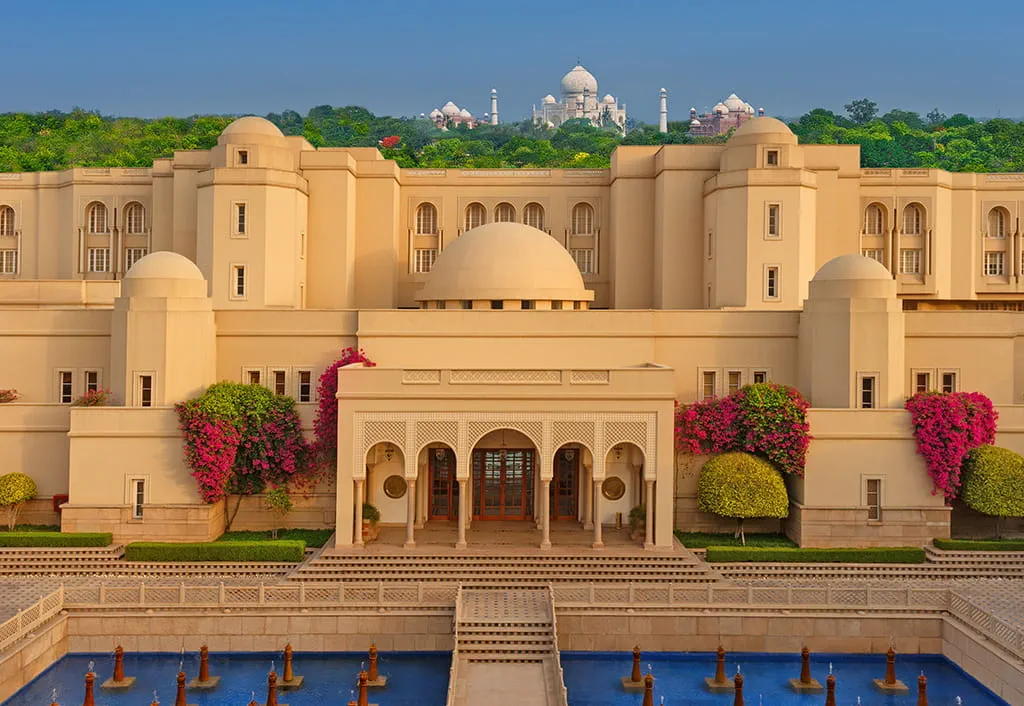
Set within 35 acres of Mughal-inspired charbagh gardens, a short drive from the Taj Mahal. The award-winning Kaya Kalp Royal Spa, multiple restaurants, and a sense of grandeur that matches perfectly the city it serves.
Enquire about this stay
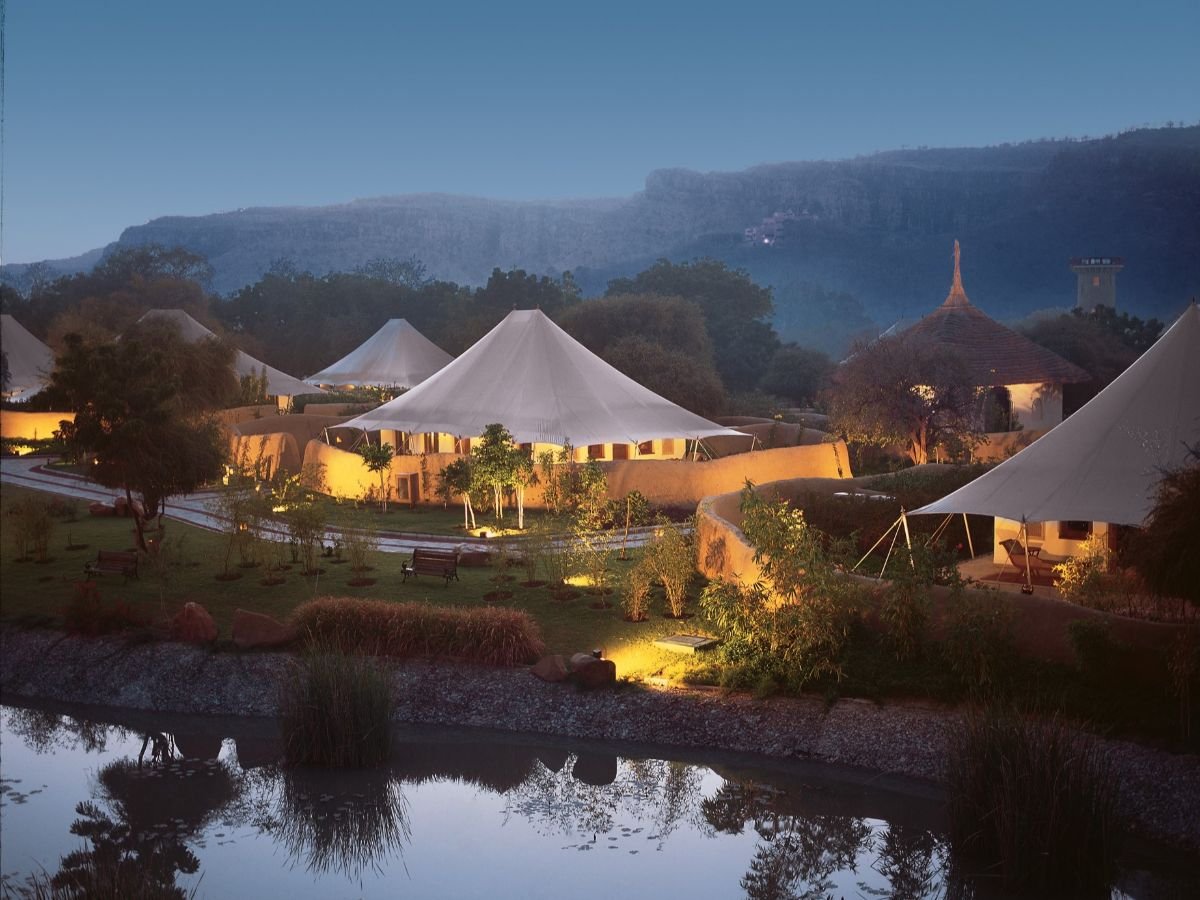
A boutique eco-lodge of 12 luxurious mud-brick cottages on the edge of the reserve, built and run by a conservation family. Open-air showers, locally sourced meals, resident naturalists, and a genuine connection to Ranthambore’s wildlife and forest community.
Enquire about this stay
A palace within the walled city, owned and run by the same Rajput family for generations. Hand-painted frescoes on every surface, a rooftop pool with views across the Pink City skyline, and the unmistakable warmth of a family home that happens to be extraordinarily beautiful.
Enquire about this stay
Built in 1927 for Maharaja Ajit Singh of Jodhpur, and converted into India’s first heritage hotel by the same royal family in 1976. Thatched cottages set around a regal garden, personal service that feels genuinely familial, and a location just minutes from Mehrangarh Fort.
Enquire about this stay
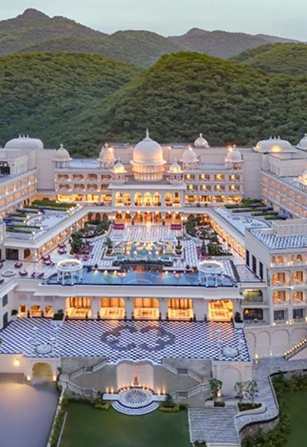
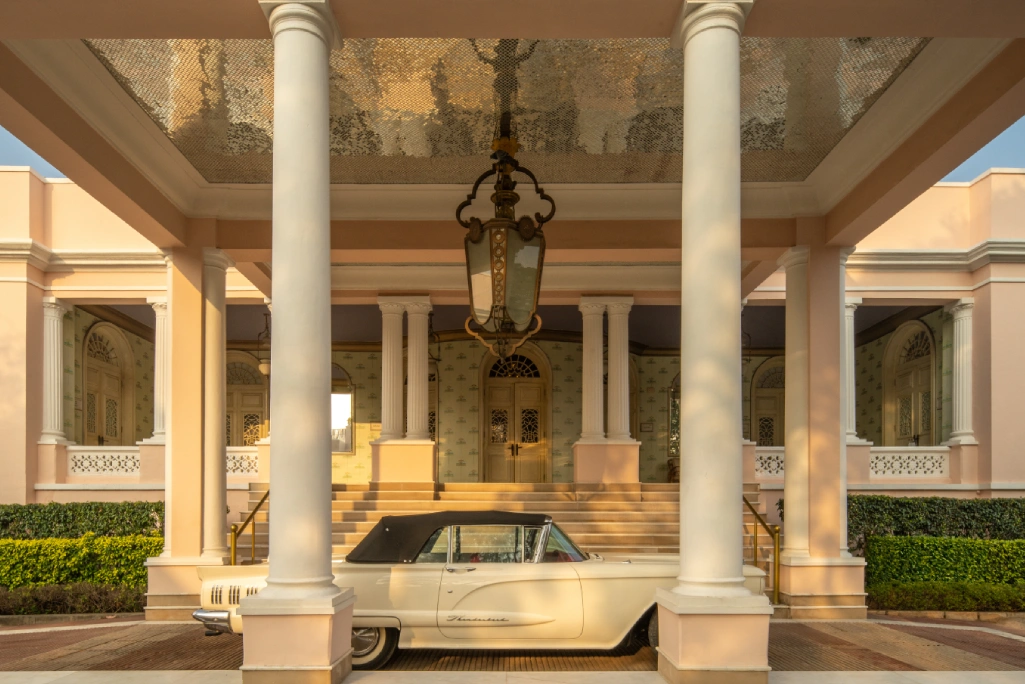
A royal palace on the shores of Lake Pichola, built by Maharana Fateh Singh as a venue for formal durbars and royal receptions. Crystal-chandeliered dining rooms, views across the lake to the Lake Palace, and service that carries the dignity of Mewar tradition.
Enquire about this stayPrivate guides, two tiger safaris, all cultural performances, every entrance fee, and eleven nights in handpicked heritage hotels — all included in one seamless journey.
Land only. International flights not included. Single supplement available on request.
Tell us your dream and we'll design something extraordinary — entirely around you.