
India’s Tiger Conservation — A Remarkable Success Story
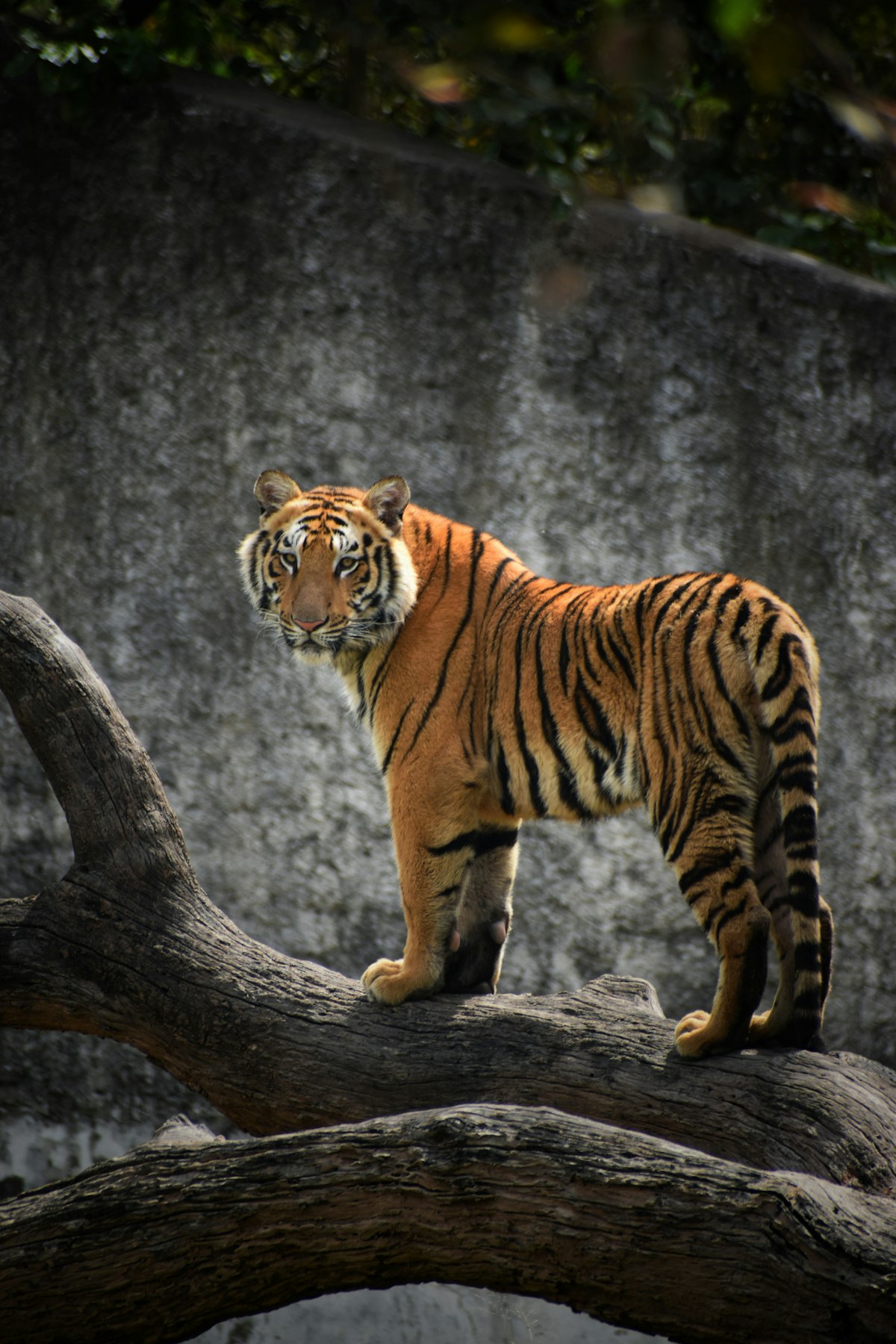
In 1973, India’s wild tiger population had plummeted to an estimated 1,827 individuals — the lowest point in the species’ history on the subcontinent. Decades of habitat loss, poaching, and human encroachment had pushed the Bengal tiger to the edge of extinction. The launch of Project Tiger that year, under the leadership of Prime Minister Indira Gandhi, marked the beginning of one of the most ambitious conservation programmes the world has ever seen. Today, India is home to over 3,600 wild tigers — more than seventy-five percent of the world’s total — distributed across fifty-four tiger reserves spanning forests, grasslands, and mangroves from the Himalayas to the southern peninsula.
This recovery is not merely a statistical triumph but a living, breathing miracle that visitors to India’s national parks can witness first-hand. To track a Bengal tiger through the sal forests of Central India or watch one emerge from the ruins of a Mughal hunting pavilion in Ranthambore is to encounter one of the most magnificent creatures on earth in a landscape layered with history, biodiversity, and raw natural beauty. India offers something no other tiger destination can: the chance to see wild tigers amid the ruins of ancient civilisations, staying in lodges that rival the finest safari camps in Africa.
The Top 5 Tiger Safari Parks in India
1. Ranthambore National Park, Rajasthan
Ranthambore is India’s most celebrated tiger reserve and, for many visitors, the park that defines the Indian safari experience. What sets Ranthambore apart is not merely its tiger population — currently around eighty individuals — but the extraordinary landscape in which they live. The park is dominated by a tenth-century fort that rises three hundred metres above the forest floor, its crumbling battlements, domed pavilions, and Mughal gateways providing a backdrop for tiger sightings that is utterly unique on earth. The tigers of Ranthambore are famously habituated to vehicles, often walking along the forest tracks in full view, and the lakes within the park — particularly Rajbagh and Padam Talao — are gathering points where tigers come to drink, sometimes within thirty metres of awestruck visitors.
Ranthambore National Park
Tiger density: High — approximately 80 tigers across the reserve
Landscape: Dry deciduous forest, ancient fort ruins, lakes, rocky outcrops
Best lodge: The Oberoi Vanyavilas — India’s finest safari property, with opulent tents, private gardens, and palace-level service
Best time: April – June for highest sighting probability; November – February for comfortable temperatures
What makes it special: Tigers amid Mughal ruins — a combination of wildlife and history found nowhere else in the world
2. Kanha National Park, Madhya Pradesh
Kanha is the park that inspired Rudyard Kipling’s The Jungle Book, and stepping into its vast sal forests and sweeping emerald meadows, one immediately understands why. This is India’s tiger country at its most cinematic: vast open grasslands where herds of spotted deer graze beneath towering trees, with the ever-present possibility that the vegetation at the meadow’s edge conceals a stalking predator. Kanha is home to roughly a hundred and thirty tigers across its core and buffer zones, and the park’s open terrain makes sightings particularly dramatic — tigers here are often spotted crossing meadows or resting beside water holes in full, unobstructed view.
Beyond tigers, Kanha is one of the last refuges of the hard-ground barasingha (swamp deer), a species saved from extinction by the park’s conservation efforts. The birdlife is exceptional, with over three hundred species recorded, and the park’s size — nearly two thousand square kilometres — ensures a sense of genuine wilderness that smaller parks cannot replicate.
Kanha National Park
Tiger density: High — approximately 130 tigers in core and buffer zones
Landscape: Vast sal forests, open meadows, bamboo groves, highlands
Best lodge: Taj Safaris — Banjaar Tola, a luxury tented camp on the banks of the Banjaar River
Best time: March – May for peak tiger visibility; November – February for pleasant weather and rich birdlife
What makes it special: The Jungle Book landscape, vast open meadows for dramatic sightings, barasingha deer, exceptional biodiversity
3. Bandhavgarh National Park, Madhya Pradesh
Bandhavgarh holds the distinction of having the highest density of Bengal tigers of any national park in India. This relatively compact reserve — its core zone covers just over one hundred square kilometres — supports over eighty tigers, creating a concentration of apex predators that translates into some of the most reliable sighting opportunities anywhere. The landscape is dramatic: steep rocky hills crowned by an ancient fort, deep sal forests, and grassy valleys where tigers patrol territorial routes with almost clockwork regularity. Experienced guides and trackers at Bandhavgarh have an intimate knowledge of individual tiger movements, and it is not uncommon to have multiple sightings in a single day.
Bandhavgarh National Park
Tiger density: Highest in India — approximately 80+ tigers in a compact area
Landscape: Rocky hills, ancient fort, dense sal forest, grassland valleys
Best lodge: Taj Safaris — Mahua Kothi, offering luxury cottages inspired by local village architecture
Best time: March – June for maximum sighting probability; the compact terrain concentrates wildlife
What makes it special: Highest tiger density in India, excellent for first-time safari visitors, intimate and compact terrain
4. Pench National Park, Madhya Pradesh / Maharashtra
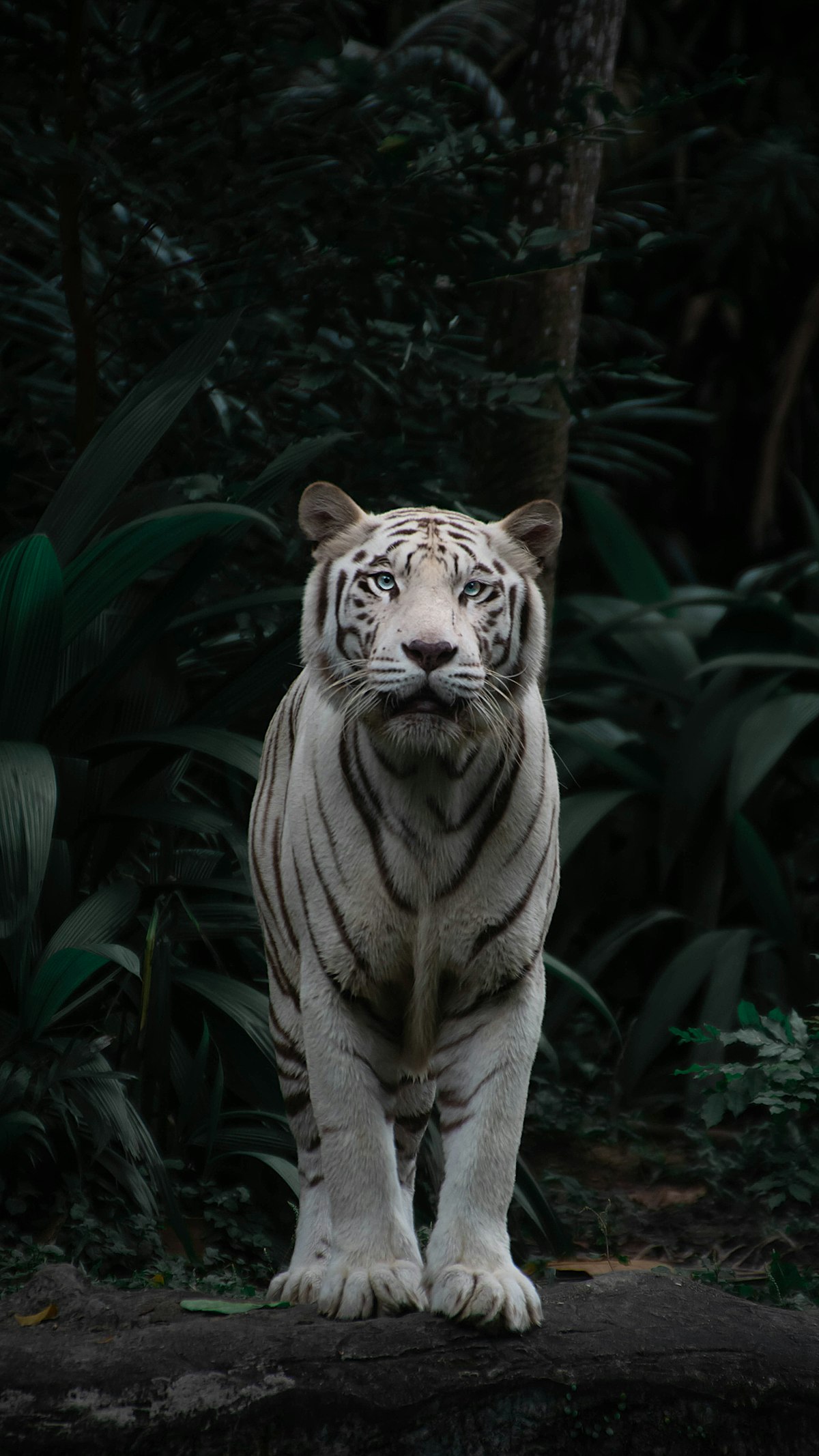
Straddling the border of Madhya Pradesh and Maharashtra, Pench is another park with strong Kipling connections — the Wainganga River that flows through it is the very river of The Jungle Book. Pench offers a more understated, less-visited safari experience compared to Ranthambore or Bandhavgarh, and for many discerning travellers, this is precisely its appeal. The park’s teak forests and gentle terrain harbour approximately sixty tigers alongside leopards, wild dogs (dholes), sloth bears, and an extraordinary diversity of raptors and woodland birds. The Pench River, which dries to a series of pools in the hot season, becomes a natural amphitheatre for wildlife viewing as animals converge on the remaining water.
Pench National Park
Tiger density: Good — approximately 60 tigers across the reserve
Landscape: Teak and mixed forests, Pench River, gentle undulating terrain
Best lodge: Taj Safaris — Baghvan, intimate treehouses set among old-growth teak trees
Best time: February – May for tiger sightings; November – January for comfortable birding and general wildlife
What makes it special: Quieter and less commercialised, exceptional wild dog and leopard sightings, treehouse accommodation, Kipling’s Wainganga River
5. Satpura Tiger Reserve, Madhya Pradesh
Satpura is the connoisseur’s choice — a park that offers what no other tiger reserve in India can: walking safaris, canoe safaris, and a genuinely off-the-beaten-track wilderness experience. While tiger sighting probability is lower than at Ranthambore or Bandhavgarh, Satpura compensates with a richness of experience that goes far beyond the big cat. The park’s rugged terrain of sandstone gorges, towering teak forests, and the Denwa River valley provides habitat for leopards, sloth bears, Indian giant squirrels, and over three hundred and fifty species of birds. The walking safaris, guided by tribal trackers, offer an intimate, multi-sensory engagement with the forest that a vehicle simply cannot replicate.
Satpura Tiger Reserve
Tiger density: Moderate — lower density but excellent overall biodiversity
Landscape: Sandstone gorges, dense teak forest, Denwa River, dramatic hills
Best lodge: Forsyth Lodge or Denwa Backwater Escape — boutique properties with deep naturalist expertise
Best time: November – March for comfortable temperatures and varied activity options
What makes it special: India’s only walking and canoe safaris, genuine off-the-grid wilderness, outstanding sloth bear and leopard encounters
How Safari Works in India
Jeep vs. Canter
Indian national parks offer two types of safari vehicle: the open-topped jeep (typically a Maruti Gypsy or similar 4x4, carrying up to six passengers) and the canter (an open-topped minibus carrying sixteen to twenty passengers, available only at certain parks like Ranthambore). For a luxury experience, we always arrange private jeep safaris. The smaller vehicle size allows access to narrower tracks, greater flexibility to linger at sightings, and a far more intimate and rewarding wildlife encounter. Each jeep is accompanied by a park-approved naturalist guide.
Zones and Booking
Most tiger reserves are divided into numbered zones, each with a limited number of vehicle permits per game drive. Zone allocation can significantly affect your experience — certain zones in each park are known for higher tiger density or more dramatic landscapes. We use our long-standing relationships with park authorities and lodge managers to secure permits in the most productive zones, often months in advance. During peak season (November to March), booking three to four months ahead is essential for top parks like Ranthambore and Bandhavgarh.
Safari Timings
Each day offers two game drives: a morning drive departing at dawn (typically 5:30–6:00 AM) and returning mid-morning, and an afternoon drive departing around 2:00–2:30 PM and returning at sunset. The morning drive is generally considered the most productive, as animals are active after the cool of the night and the light is magnificent for photography. The afternoon drive, particularly in the hotter months, can yield extraordinary sightings as tigers emerge to drink at water holes. On a three-night stay, six drives represent the optimal number for a thorough exploration of the park.
What to Wear on Safari
Neutral colours — khaki, olive, beige, and earth tones — are essential. Avoid white (which attracts insects and glares in photographs) and dark black (which absorbs heat). Layering is key: mornings can be surprisingly cold from November to February, warming rapidly as the sun rises. A wide-brimmed hat, quality binoculars, and a camera with a telephoto lens (200–400mm) complete the kit. We provide a detailed packing guide with every safari itinerary.
The Finest Luxury Safari Lodges in India
India’s luxury tiger safari lodges have evolved remarkably over the past decade, and the best now rival the top safari camps in East and Southern Africa in terms of design, cuisine, and service. Three operators define the pinnacle of the Indian luxury safari experience.
The Oberoi Vanyavilas, Ranthambore
Widely regarded as India’s finest safari property, Vanyavilas sets the standard for luxury in the wild. Its twenty-five opulent tents — each with a private garden, freestanding bathtub, four-poster bed draped in embroidered silks, and a personal butler — are set amid twenty acres of manicured gardens complete with lily ponds, fountains, and observation towers. The cuisine is exceptional, the spa draws on royal Rajasthani wellness traditions, and the property’s proximity to the park gates means you are among the first vehicles into the reserve each morning.
Taj Safaris — Pashan Garh, Panna & Banjaar Tola, Kanha
The Taj Safaris collection represents the gold standard for multi-park safari journeys in Central India. Each property is sensitively designed to reflect its specific landscape: Banjaar Tola’s tented suites float above the riverbank in Kanha, Mahua Kothi in Bandhavgarh draws from local village architecture, and Baghvan in Pench features twelve individually designed treehouses. The naturalist programme across all Taj properties is outstanding, led by some of India’s most experienced wildlife guides, and the commitment to community conservation sets a benchmark for responsible luxury tourism.
SUJAN Sher Bagh, Ranthambore
SUJAN Sher Bagh brings a refined, campaign-era aesthetic to the Ranthambore safari experience. Its twelve luxury tents are adorned with antique campaign furniture, hand-stitched quilts, and copper fixtures, evoking the romanticism of a bygone era of exploration while providing thoroughly modern comforts. The camp’s intimate scale, exceptional cuisine (much of it sourced from its own organic farm), and deeply personal service have made it a favourite among the global luxury-travel cognoscenti. Evening sundowners around the camp fire, with the sounds of the forest as accompaniment, are among the most memorable moments of any India journey.
When to Go on a Tiger Safari in India
India’s tiger reserves are open from October to June, with most parks closing during the monsoon months of July to September for habitat recovery and wildlife breeding. The season divides broadly into three periods.
November to February (peak season): Comfortable temperatures, clear skies, and lush post-monsoon vegetation. Wildlife is dispersed across the park, and while tiger sighting probability is somewhat lower than in the hot season, the overall experience — birding, landscapes, and comfort — is at its peak. This is the most popular period with international visitors.
March to May (hot season): As temperatures rise and water sources diminish, wildlife concentrates around the remaining pools and streams, dramatically increasing tiger sighting probability. April and May are the months when experienced safari-goers choose to visit, accepting the heat (which can reach 40–45°C) in exchange for the best chance of close, prolonged tiger encounters. Mornings are still cool and extraordinarily productive.
October (early season): Parks reopen after the monsoon to a transformed landscape — green, lush, and alive with wildflowers and migratory birds. Tiger sightings are less predictable, but the beauty of the regenerated forest is exceptional. A fine choice for the visitor who values the overall natural experience as much as the specific quarry.
Combining Safari with Cultural Travel
One of India’s great advantages over African safari destinations is the ease with which a wildlife experience can be woven into a broader cultural journey. Ranthambore, for instance, lies just three hours from Jaipur and is a natural addition to any Rajasthan itinerary. Kanha and Bandhavgarh combine beautifully with the UNESCO temples of Khajuraho and the Mughal monuments of Orchha. Pench, in southern Madhya Pradesh, pairs with the rock art of Bhimbetka and the stupas of Sanchi.
We specialise in designing seamless itineraries that balance the thrill of the jungle with the splendour of India’s cultural heritage — palace hotels and safari camps, ancient temples and wild forests, Mughal history and Bengal tigers, all within a single, extraordinary journey. Explore our curated tiger safari itineraries for inspiration, or let us design something entirely bespoke.
“To see a wild tiger in India is to understand that certain things in this world remain untameable, ungovernable, and magnificent beyond all measure. It is an encounter that changes you — that reminds you what it means to share the earth with something truly wild.”